GENESEE 25-227 Genclone Vacuum Filter Pes 500ML 0.22UM
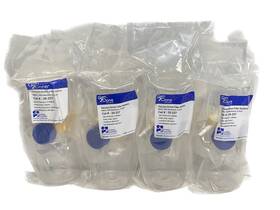
( Brand: Genesee ), ( Manufacturer Part Number: 25-227 ), ( Part Type: Vacuum Filter ), ( Intended Use/discipline: Biological Laboratory, Dental Laboratory, Medical Laboratory, Microbiological Laboratory, Physical Laboratory ), ( Country Of Origin: United States ), ( Unit Type: Unit ), ( Material: Plastic, Pes ), ( Volume: 500ml, 0.22um ), ( Additional Search Terms: Surplus Laboratory Bench Supplies Consumables )
Review GENESEE Genclone Vacuum driven Filter System Pes
The **Genesee 25-227 GenClone 500 mL Vacuum-Driven Filter (0.22 m PES)** is a high-performance, sterile filtration system meticulously engineered for laboratory and biopharmaceutical applications requiring precise particle removal and reliable sterility assurance. Designed with a robust, disposable polyethersulfone (PES) membrane, this filter excels in capturing bacteria, fungi, and other submicron contaminants while maintaining exceptional flow rates and chemical compatibility. The 0.22-micron pore size is a gold standard in sterile filtration, ensuring the removal of nearly all microbial organisms, including *E. coli*, *Pseudomonas aeruginosa*, and *Candida albicans*, while preserving the integrity of sensitive biomolecules such as proteins, vaccines, and cell culture media. The vacuum-driven mechanism allows for efficient filtration under reduced pressure, minimizing shear stress on delicate samples and reducing the risk of aerosol formation, making it ideal for applications like cell culture media sterilization, buffer preparation, and the clarification of biological fluids. Constructed from a durable, sterile, and low-binding polypropylene housing, the filter is designed for single-use convenience, eliminating the need for cleaning or sterilization between uses. Its leak-proof design and secure gasket system ensure consistent performance and prevent contamination during filtration. Whether used in research laboratories, bioprocessing facilities, or pharmaceutical manufacturing, the GenClone 500 mL filter delivers uncompromising sterility and reliability, making it an indispensable tool for maintaining the highest standards of sample purity and process integrity.
**Pros and Cons of buying a Genesee 25-227 GenClone 500ml Vacuum-Driven Filter (0.22 m PES)**
### **Pros**
1. **High Pore Size Efficiency** The 0.22 m pore size effectively removes bacteria and most viruses, making it suitable for sterile filtration in laboratory and biotechnology applications. This ensures high-purity filtrates, which is critical for cell culture, molecular biology, and sterile sample preparation.
2. **Durable Material (PES)** Polyether sulfone (PES) is a robust, chemically resistant membrane that maintains integrity under repeated use and exposure to organic solvents, acids, and bases. This extends the filter s lifespan and reduces contamination risks.
3. **Vacuum-Driven Design** The vacuum filtration system allows for faster flow rates compared to gravity filtration, which is beneficial for large-volume processing. This is particularly useful in high-throughput laboratories or industrial settings where time efficiency is important.
4. **Sterility and Contamination Control** The 0.22 m rating ensures sterility, which is essential for applications like cell culture media sterilization, vaccine production, or pharmaceutical formulations where microbial contamination could compromise results or safety.
5. **Compatibility with Common Solvents** PES filters are compatible with a wide range of solvents, including alcohols, water, and many organic solvents, making them versatile for diverse laboratory procedures.
6. **Pre-Sterilized Packaging** The filter is often supplied in a sterile, sealed package, reducing the risk of contamination during handling and setup.
7. **Cost-Effective for Bulk Use** The 500ml capacity is larger than many disposable filters, allowing for more filtrations per unit cost, which can be economical for laboratories with frequent filtration needs.
8. **Easy to Use** The design is straightforward, requiring minimal setup. It typically comes with a vacuum adapter or holder, making it user-friendly for both novices and experienced technicians.
---
### **Cons**
1. **Single-Use Nature** Like most disposable filters, this product cannot be reused or sterilized for repeated use, leading to ongoing disposal costs and environmental waste. This may not be ideal for laboratories with strict sustainability policies.
2. **Potential Clogging** Highly concentrated or particulate samples may clog the filter quickly, slowing down filtration or requiring pre-filtration steps (e.g., using a larger pore pre-filter). This can add extra time and cost to the process.
3. **Limited Chemical Resistance for Extreme Conditions** While PES is resistant to many chemicals, it may degrade or swell in highly oxidative environments (e.g., strong oxidizing agents like hydrogen peroxide in high concentrations) or under extreme pH conditions (e.g., prolonged exposure to very high or low pH).
4. **Flow Rate Limitations** Vacuum-driven filters can have inconsistent flow rates depending on the vacuum source and sample viscosity. Poor vacuum pressure or viscous samples may significantly slow down filtration, impacting efficiency.
5. **Cost per Filtration** While the 500ml size is cost-effective for bulk use, individual filtrations may still be expensive compared to reusable filters (e.g., glass or stainless steel) if used in very small volumes or infrequently.
6. **Waste Generation** Disposable filters contribute to laboratory waste, which may require proper disposal procedures (e.g., autoclaving or incineration) to avoid environmental or biohazard risks.
7. **Potential for Membrane Damage** Improper handling, such as folding or puncturing the filter during assembly, can compromise its integrity and lead to contamination or inefficient filtration.
8. **Limited Temperature Stability** PES filters typically have a temperature operating range (often up to 100 C), but exceeding this limit can damage the membrane. This may restrict their use in high-temperature sterilization or certain thermal processes.
---
### **Conclusion**
The **Genesee 25-227 GenClone 500ml vacuum-driven filter (0.22 m PES)** is a highly effective tool for sterile filtration in laboratory and biotechnological applications. Its strengths lie in its **bacterial/viral filtration efficiency, chemical compatibility, durability, and ease of use**, making it ideal for sterile media preparation, cell culture, and sample sterilization. The **vacuum-driven design** also enhances throughput, which is advantageous for time-sensitive processes.
However, its **disposable nature, potential for clogging, and cost per use** may pose challenges for laboratories with high-volume or reusable filtration needs. Additionally, **chemical resistance limitations and waste generation** are factors to consider, particularly in environmentally conscious or cost-sensitive settings.
### **Recommendation**
**Buy this filter if:**- You require **sterile filtration** for bacterial/viral removal in applications like cell culture, molecular biology, or pharmaceutical processing.
- Your workflow involves **moderate to large volumes** (500ml capacity) and benefits from **faster vacuum-driven filtration**.
- You work with **solvents or reagents compatible with PES**, and your samples are not excessively particulate or viscous.
- Cost per filtration is acceptable, and convenience outweighs disposability concerns.
**Avoid or consider alternatives if:**- You need **reusable filters** to reduce waste or costs (e.g., glass or stainless steel filters).
- Your samples are **highly particulate or prone to clogging**, requiring pre-filtration or frequent filter changes.
- You work with **extreme pH, oxidizing agents, or high temperatures** that may degrade the PES membrane.
- Your laboratory prioritizes **sustainability** and reusable filtration systems.
**Alternatives to Consider:**- **Reusable glass or stainless steel filters** (for long-term cost savings and sustainability).
- **Smaller capacity filters** (e.g., 25ml) if your workflow involves frequent, small-volume filtrations.
- **Different membrane materials** (e.g., nylon or cellulose acetate) if chemical compatibility is a concern.
- **Gravity-driven filters** if vacuum filtration is unnecessary and cost is a major factor.
In summary, this filter is a **strong choice for sterile, high-efficiency filtration in compatible applications**, but its suitability depends on your specific workflow, budget, and environmental considerations.
Details:
BIOTECH BARGAINS item for sale. New, lot of 4.
part #: 25227 prices
- $65.99-$314.99
specifications plasticwarelabsuppy:
- brand: Genesee
- mpn: 25-227
- part type: Vacuum Filter
- intended use/discipline: Biological Laboratory, Dental Laboratory, Medical Laboratory, Microbiological Laboratory, Physical Laboratory
- country of origin: United States
- unit type: Unit
- material: Plastic, Pes
- volume: 500ml, 0.22um
- additional search terms: Surplus Laboratory Bench Supplies Consumables
seller plasticwarelabsuppy:
- city: Bristol, Connecticut
- rating: 99.9%
- # reviews: 12330
offer plasticwarelabsuppy:
- started: June 11, 2026
- availability: In Stock
- quantity: 1
- sold: 0
- options: Ship-to-home
shipping plasticwarelabsuppy:
- cost: $0.00
- transit: 4-7 Days
- service: Standard, FedEx 2Day, FedEx Standard Overnight
- type: Fixed
- carrier: FedEx
- class: Standard, Expedited, One-day
payments plasticwarelabsuppy:
- credit card: Diners-club
- wallet: Apple-pay
- other
returns plasticwarelabsuppy:
- policy: Returns Accepted
- time: 30 Days
- method: Money back
- paid by: Seller
general plasticwarelabsuppy:
- Medical, Lab Dental Supplies > Glassware Plasticware > Other Medical Lab Glassware
- condition: New Open box
Genesee 25-227 Is Similar To:
- Genesee Scientific 25-229 Lot Of 11 Gen-clone 25-229 1000ml Vacuum Driven Filters (64.5% similar) Lot of 11 individually sealed Genesee scientific gen-clone #25-229 1000ML vacuum driven filters, pes membrane, 0.22 m, sterile...(April 3rd, 2025)
- Genesee Scientific Bpe2210 Lot Of 12 Vacuum Filtration Unit 1000ml Driven Filters (43.7% similar) Condition is new. Lot of 12 vacuum filtration unit BPE2210 1000ML driven filters. Shipped with USPS ground advantage...(June 10th, 2025)
- Genesee Scientific 25-228 12 500ml Gen Clone Vacuum-driven Filter System Sealed (67.1% similar) The Genesee scientific 25-228 500ML gen clone vacuum-driven filter system is a high-quality and reliable laboratory glassware product designed for filtering purposes. With its vacuum-driven system, this filter ensures efficient filtration with minimal loss of sample. Full case of 12. The gen clone ...(December 7th, 2025)
- Foxx Life Sciences Genesee 1402-rls 25 50ml Autofil Centrifuge Funnel Vacuum Filter System 0.2um Pes (54.1% similar) Biotech bargains item for sale. Individually packaged. GSR veers 1736 gs 9.9.5 1736 new, lot of 25 filter funnel assemblies...(June 10th, 2026)