CORNING 3383 Polystyrene Receiver Plate Hts Transwell 10PK
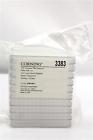
( Brand: Corning ), ( Manufacturer Part Number: 3383 ), ( Part Type: Receiver Plate )
Review CORNING Polystyrene Treated Receiver Plate Hts Transwell 10pk
The Corning 3383 Polystyrene Receiver Plate is a crucial component in the HTS Transwell system, designed for use in various cellular experiments. This 10-pack of receiver plates is manufactured by Corning, a renowned name in the field of life sciences, known for its high-quality and reliable products.
The Polystyrene Receiver Plate is a flat, rectangular plate that serves as a collection chamber for cells that have migrated through the Transwell membrane in a separate insert. The plate is non-treated, which means it does not have any pre-applied coatings or surface modifications. This allows researchers to use their preferred cell culture medium, growth factors, or other supplements, providing greater flexibility for experimental design.
The plate is made of polystyrene, a material known for its chemical resistance, which ensures that it can withstand the harsh conditions of various cell culture media. The flat, even surface of the plate ensures accurate and reproducible measurements, making it ideal for scientific research.
The Corning 3383 Polystyrene Receiver Plate is designed to be used with the HTS Transwell system, a popular tool in the field of cell biology and immunology. This system is widely used for studying cell migration, invasion, and permeability, and it is also used in drug screening and toxicity testing.
In summary, the Corning 3383 Polystyrene Receiver Plate is a high-quality, non-treated, and reliable product for use in the HTS Transwell system. Its flat, even surface and chemical resistance make it an ideal tool for various cellular experiments in the field of life sciences.
Pros of buying Corning 3383 Polystyrene Receiver Plate (HTS Transwell 10pk, Non-Treated):1. High Quality: Corning is a reputable brand known for producing high-quality labware. The Polystyrene Receiver Plates are durable and reliable, ensuring consistent results in your experiments.
2. Versatility: These plates are suitable for various in vitro cell culture applications, including invasion, migration, and transfection assays.
3. Non-Treated: The non-treated surface allows for the attachment of different types of cells, providing flexibility in your experimental design.
4. Cost-Effective: Buying in a pack of 10 plates can help save cost, as you can use them for multiple experiments.
Cons of buying Corning 3383 Polystyrene Receiver Plate (HTS Transwell 10pk, Non-Treated):1. Limited Compatibility: Some cells may not adhere well to polystyrene surfaces, which could impact your results. It is essential to consider the cell type and culture conditions before purchasing.
2. Limited Longevity: Polystyrene plates may not be as durable as other materials, such as glass or polycarbonate. They may degrade over time, especially under harsh conditions.
Conclusion:The Corning 3383 Polystyrene Receiver Plates are a great choice for researchers looking for a versatile and cost-effective option for cell culture experiments. Their high-quality construction and suitability for various applications make them an attractive option. However, it is essential to consider the limitations of polystyrene plates, such as compatibility with certain cell types and longevity, before making a purchase.
Recommendation:If you are looking for a reliable and versatile cell culture tool for your experiments, the Corning 3383 Polystyrene Receiver Plates are a good option. However, ensure that the cell type you are working with is compatible with polystyrene surfaces and that you store the plates properly to ensure their longevity.
Details:
In fact, its kind of our thing.
Return guarantee every effort has been made to accurately describe all merchandise offered for offer.
specifications plasticwarelabsuppy:
- brand: Corning
- mpn: 3383
- part type: Receiver Plate
Seller plasticwarelabsuppy:
- zipcode: 98284
- city: Sedro Woolley, Washington
Returns plasticwarelabsuppy:
- policy: returns accepted
- type: Money back or exchange buyers choice
- details: Item must be unused, still in original packaging to qualify for full refunds. A 20-40% restocking fee may apply
- paid by: Buyer
- time: 30 Days
Offer plasticwarelabsuppy:
- Sold: 0
- best offer: false
- bids: 0
- quantity: 1
- Started: May 16, 2017, 1:43 pm
Shipping plasticwarelabsuppy:
- type: Flat
- cost: $0.0
- handling: 1 days
General plasticwarelabsuppy:
- business industrial > healthcare lab life science lab supplies business industrial > plasticware lab supplies
- in stock: Yes
- condition: New
Ratings:
- Shaver heads new as described and delivered promptly. 05-16-17
- Thank you! 05-16-17
- A 05-16-17
- Thanks! 05-16-17
Payments plasticwarelabsuppy:
- PayPal
Corning 3383 Is Similar To:
- 15111037 Corning Hyperstack Irradiated Sterile Polystyrene (40.8% similar) Used items do contain noticeable wear and all are untested...(June 28th, 2018)
- 25100 Corning Lot Of Tissue Culture Flask Sterile Polystyrene Plastic (42.1% similar) This item is new in original packaging from the manufacturer, opened for inspection by our QC department...(May 17th, 2018)
- 25820 Corning Lot Of Cell Well Tissue Culture Plate With Lid (43.8% similar) Lot of 48 Corning 24 cell well tissue culture plate with lid new sealed...(May 26th, 2018)
- 26305012 Corning Polystyrene Universal Lid (62.1% similar) Corning polystyrene universal lid, white, with corner notch case of 100 incorporated lot 26305012ASSAY accessory universal LIDPOLYSTYRENE25 per PACK1 case sterile...(March 25th, 2017)
- 3056 Corning Polystyrene Rectangular Canted Neck Cell Culture Flask (57.1% similar) New unopened sterile tissue culture flask case of 24...(November 15th, 2018)
- 3213 Corning Costar 2ml Non-sterile (57.5% similar) Corning costar 2ML non-sterile graduated micro centrifuge tubes, 3213...(May 24th, 2017)
- 3340 Corning Assay Plate 96-well W (48.1% similar) All of our listing items was base on the pictures. Please accept our apology for any errors or mistakes on the if pictures is unclear, you can request us more better and feel free to contact questions. All return shipping charges must be prepaid by the customer. Sometime error would happen but ...(February 22nd, 2017)
- 3370 Corning Microplates Assay Plate W (43.4% similar) How SCLNK0 : non-treated. All parts, manuals, etc. Warranty does not include seals, valve gaskets, bulbs, filters, and all other short-wear items. A: most popular. A Corning 3370 this is Branden, sealed assay plate with low evaporation lid. A items are described to the best of our ability, and based...(February 17th, 2017)
- 3382 Corning Pk-10 Hts Transwell (41.6% similar) Review the pictures for included elements and condition of item...(April 2nd, 2017)
- 3422 Corning Costar 48 Transwell (39% similar) Cells must be stained for cell visibility. They feature a 10 m thin transparent poly carbonate membrane available in variety of pore sizes. 40PLEASE see photos of actual item for full contents and condition - everything shown in the is included. Corning transwell poly carbonate membrane cell culture...(April 25th, 2017)
- 3505 Corning Filtrex Polystyrene 96 (55% similar) Brand new Corning filterers 3505 polystyrene 96 well solid white filter plate, with. 2 micrometer PDF membrane, without lid, sterile case of 50 manufacturer model: 3505 sterile, solid white 96-WELL polystyrene filter plate has. Plate color: solid white. Material: polystyrene. 2m hydrophilic PDF ...(March 25th, 2017)