PYREX 5316-615D Glass Desiccator Lid Plate Laboratory
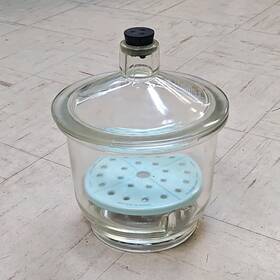
( Brand: Pyrex ), ( Manufacturer Part Number: 5316-615D ), ( Part Type: Lid Plate ), ( Intended Use/discipline: Physical Laboratory, Medical Laboratory, Biological Laboratory )
Review PYREX Glass Desiccator Lid And Perforated Plate Laboratory Use
The **Pyrex 5316-615D Glass Desiccator Lid Plate** is a precision-engineered component designed to ensure optimal performance and safety in laboratory desiccation processes. Crafted from high-quality borosilicate glass (Pyrex 5316), this lid plate is engineered to withstand extreme temperature fluctuations, chemical resistance, and mechanical stress, making it an indispensable accessory for desiccators used in pharmaceutical, chemical, and materials science applications. The durable borosilicate construction ensures transparency, allowing for easy monitoring of desiccation progress while maintaining structural integrity under high-vacuum or pressure conditions. With a smooth, polished surface, this lid plate minimizes dust accumulation and contamination, preserving the sterility of sensitive samples. Its precise dimensions and seamless fit with standard Pyrex desiccators guarantee an airtight seal, preventing moisture ingress and maintaining controlled humidity levels within the chamber. Whether used for drying delicate chemicals, preserving biological specimens, or calibrating analytical instruments, this lid plate delivers reliability and consistency in laboratory environments where precision is paramount. Built to endure repeated use, it combines functionality with durability, ensuring long-term performance in demanding research and industrial settings.
**Pros and Cons of buying a Pyrex 5316-615D Glass Desiccator Lid Plate for Laboratory Use**
### **Pros**
1. **Durability and Chemical Resistance** Pyrex glass is known for its high resistance to thermal shock and chemical corrosion, making it suitable for long-term use in laboratory environments where exposure to solvents, acids, or bases is common.
2. **Precision Fit and Compatibility** The 5316-615D model is designed to fit standard desiccators, ensuring a tight seal that prevents moisture or contaminants from entering. This is critical for maintaining the integrity of experiments requiring dry or controlled conditions.
3. **Transparency and Visibility** The glass material allows for clear observation of the contents inside the desiccator without opening it, reducing the risk of contamination or exposure to air.
4. **Reusability and Longevity** Unlike disposable plastic or silicone alternatives, Pyrex glass is built to last for years with proper care, making it a cost-effective investment over time.
5. **Compatibility with Standard Desiccators** It is designed to work seamlessly with common laboratory desiccators, ensuring ease of use and interchangeability with existing equipment.
6. **Sterilization and Cleaning** Glass can be easily sterilized using autoclaving, UV light, or chemical cleaning methods, which is essential for maintaining sterile conditions in microbiological or pharmaceutical research.
7. **Temperature Resistance** Pyrex can withstand a wide range of temperatures, from freezing to high heat, making it versatile for various laboratory procedures, including drying, crystallization, or storage of temperature-sensitive materials.
---
### **Cons**
1. **Fragility Compared to Plastic or Metal** While Pyrex is more durable than standard glass, it can still crack or shatter if dropped or subjected to extreme mechanical stress, posing a risk of injury or equipment damage.
2. **Weight and Portability Issues** Glass desiccator components are heavier than plastic alternatives, which can make handling and transferring samples more cumbersome, especially in large-scale or field-based laboratories.
3. **Cost** High-quality Pyrex glass is more expensive upfront than cheaper plastic or silicone desiccator lids, which may be a limiting factor for budget-conscious laboratories or small-scale users.
4. **Maintenance and Repair Challenges** If damaged, repairing or replacing a Pyrex lid may require specialized glasswork, which can be time-consuming and costly compared to replacing a plastic component.
5. **Potential for Scratches and Surface Contamination** Glass surfaces can develop scratches over time, which may harbor residues or bacteria if not cleaned thoroughly. This requires meticulous maintenance to prevent cross-contamination.
6. **Limited Flexibility in Design** Unlike custom-molded plastic lids, Pyrex glass lids have fixed dimensions and may not accommodate specialized or non-standard desiccator setups without modifications.
7. **Safety Risks During Handling** The sharp edges of glass, even on a well-polished lid, can pose a risk of cuts if not handled carefully, particularly in busy laboratory environments.
---
### **Conclusion**
The Pyrex 5316-615D glass desiccator lid plate is an excellent choice for laboratories prioritizing durability, chemical resistance, and precision. Its transparency, reusability, and compatibility with standard desiccators make it ideal for applications requiring strict control over moisture, temperature, or sterility. However, its fragility, higher cost, and maintenance requirements may present challenges in environments where portability, budget constraints, or frequent handling are concerns.
For most academic, pharmaceutical, or chemical research settings where reliability and contamination control are paramount, the benefits of Pyrex outweigh its drawbacks. In contrast, smaller labs, fieldwork, or cost-sensitive applications might find plastic or silicone alternatives more practical despite their lower durability.
### **Recommendation**
If your laboratory requires a long-term, high-performance desiccator lid with minimal risk of contamination and exposure to environmental factors, the **Pyrex 5316-615D glass desiccator lid plate is highly recommended**. Invest in proper handling techniques and storage to mitigate risks of breakage, and pair it with a sturdy desiccator base for optimal use.
For temporary or low-budget setups where durability is less critical, consider plastic or silicone alternatives, but be aware of their limitations in terms of chemical resistance and longevity. Always ensure that any desiccator lid, regardless of material, is cleaned thoroughly and stored safely to maintain its functionality.
Details:
PYREX Glass Desiccator with Lid and Perforated Plate for Laboratory Use.
part #: 5316615d price
- $108.99
specifications plasticwarelabsuppy:
- brand: Pyrex
- mpn: 5316-615d
- part type: Lid Plate
- intended use/discipline: Physical Laboratory, Medical Laboratory, Biological Laboratory
returns plasticwarelabsuppy:
- policy: No Returns
offer plasticwarelabsuppy:
- quantity: 1
- started: March 20, 2026
- sold: 0
- options: Ship-to-home
- availability: In Stock
- best offers: True
seller plasticwarelabsuppy:
- # reviews: 61
- city: Ann Arbor, Michigan
- rating: 100.0%
payments plasticwarelabsuppy:
- credit card: Visa
- wallet: Apple-pay
- other
general plasticwarelabsuppy:
- Medical, Lab Dental Supplies > Glassware Plasticware > Other Medical Lab Glassware
- condition: Used
shipping plasticwarelabsuppy:
- carrier: USPS
- service: USPS Ground Advantage
- transit: 4-10 Days
- type: Calculated
- cost: $8.38
- class: Standard
Pyrex 5316-615D Is Similar To:
- 8090 Pyrex Vintage Glass Scientific Mohr Pipette Pipet Pfeiffer In Box (36.8% similar) Box has some signs of wear includes 28 pieces. Pipettes are long. 1 has the end chipped. Lot of 28 vintage glass scientific 1ML More pipette piper Pyrex perfecta 8090MADE in upcoming with the original proffer box. Only 3 has some signs of wear...(January 27th, 2019)
- 1000-400 Corning Pyrex Glass Graduated Low Form Griffin Beaker (37.8% similar) 400ML low form Pyrex griffin beaker with spout, double scale, graduated convenient graduated metric scale for estimating content graduation range: 25-325ML graduation interval: 25ML height : 110MM approx outer diameter: 77MM extra large marking spot...(November 27th, 2018)
- 12344568 Pyrex Test Tubes Glass Thin Walled Dozen (33.8% similar) There is one missing. There are 35 test tubes...(December 23rd, 2018)
- 1235656789 China Glass Blowing Tubing Pink Mm Purple Pieces Total Pyrex (26.3% similar) ...(October 21st, 2018)
- 1395-1l Pyrex Corning Glass Graduated Around Media Storage Bottle (37% similar) Price is for each one. Corning Pyrex mixed media glass storage bottles, 1000ML made in Germany trace code excellent condition I will combine shipping if you purchase more than one...(October 14th, 2018)
- 1395-1lcnea Pyrex Round Media Storage Bottles With Screw Cap Ea (36.1% similar) These heavy duty 1000ML Pyrex round bottles can be used for storage as well mixing and sampling. They include a liner less, one-piece orange polypropylene plug seal GL45 threaded cap with drip-free pouring ring...(October 14th, 2018)
- 1395-250 Corning Pyrex Glass Round Media Storage Bottle Screw Cap (32.9% similar) In great condition...(October 9th, 2018)
- 1395-500 Pyrex Fisherbrand Vwr Glass Round Media Graduated Bottle Lot (41.3% similar) No chips or cracks see pictures...(October 19th, 2018)
- 1395-500cnea Pyrex Round Media Storage Bottles With Screw Cap Ea (35.9% similar) 2 pounds domestic shipping: item can be shipped within us. They include a liner less, one-piece orange polypropylene plug seal GL45 threaded cap with drip-free pouring ring. Pyrex 500ML round media storage bottles, with GL45 screw cap, ea product features capacity is. Graduation interval is 100ML. ...(December 30th, 2018)
- 1500-125 Corning New Pyrex Reagent Bottle Glass Lab Supplies (25.5% similar) I try to be thorough and check everything but am not an expert...(January 2nd, 2019)
- 1596-19l Corning Pyrex Glass Carboy Solution Bottle Neck (27.7% similar) 12GRADUATION range: 1000-19000ML approx graduation interval: 500ML manufacturer: corning life sciences manufacturer part no: 1596-19LFREE shipping in the us. Corning 1596-19L Pyrex 19LITER 5GALLON carboy solution bottle 5 gallon double scale, graduated, bottle suitable for storing distilled water ...(October 30th, 2018)