UXCELL Glass Sample Vials Bottles Pink 641832912118 3ML 10PCS
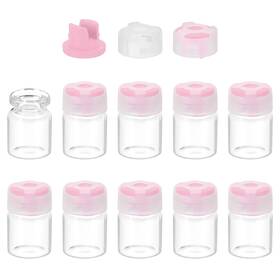
( Brand: Uxcell ), ( Part Type: Vial ), ( Unit Quantity: 10 ), ( Size: 31mm ), ( Net Weight: 0.134 ), ( Material: Glass, Plastic, Rubber ), ( California Prop 65 Warning: Cancer And Reproductive Harm Www.p65warnings.ca.gov ), ( UPC: 641832912118 )
Review UXCELL 3ml Clear Glass Sample Vials 10pcs Small Liquid Bottles Pink
The **UXCELL 641832912118 3 mL Glass Sample Vials (10-piece Bottles, Pink)** are a meticulously crafted laboratory accessory designed to meet the precise needs of researchers, chemists, and analytical professionals. These high-quality glass vials, crafted from borosilicate glass, offer exceptional chemical resistance and durability, ensuring they can withstand a wide range of solvents, acids, and bases without degradation or contamination. Each vial features a smooth, tapered design with a standard **20 mm outer diameter**, making them compatible with most laboratory equipment, including centrifuges, shakers, and automated liquid handlers. The **3 mL capacity** provides ample space for small-scale experiments, sample storage, or preliminary testing while maintaining efficiency in space utilization. The vials are packaged in **pink 10-piece bottles**, a color that not only adds a subtle aesthetic contrast to standard lab environments but also serves as a practical identifier for easy sorting and organization. The screw-threaded caps, likely made from high-density polyethylene (HDPE), ensure a secure, airtight seal to prevent evaporation, cross-contamination, and moisture ingress, which is critical for maintaining sample integrity over time. Whether used for chemical synthesis, biological sample preservation, or quality control testing, these vials deliver reliability and precision, making them an indispensable tool for laboratories seeking both functionality and versatility. Their compatibility with standard laboratory practices, combined with their robust construction, ensures they are a dependable choice for professionals demanding consistency and performance in their work.
**Pros and Cons of Buying UXCell 641832912118 (3mL Glass Sample Vials, 10-Piece Bottles, Pink)**
### **Pros**
1. **Material Quality** The vials are made of borosilicate glass, which is durable, chemically resistant, and suitable for long-term storage of samples, including biological, chemical, or pharmaceutical materials. Borosilicate glass is less prone to breakage and contamination compared to regular glass or plastic alternatives.
2. **Sterility and Safety** The vials are likely manufactured under controlled conditions to ensure sterility, reducing the risk of microbial contamination in sensitive samples. This is particularly important in laboratories, research settings, or medical applications.
3. **Compatibility with Common Equipment** The design of these vials is standardized for use with common laboratory equipment, such as centrifuges, autoclaves, and sample racks. The 3mL capacity is a versatile size for many applications, including PCR, DNA/RNA extraction, and small-scale chemical storage.
4. **Convenience in Packaging** The vials come in a 10-piece bottle, which is a practical quantity for small-scale use. This packaging is easy to store and transport, and the individual vials can be easily accessed without opening the entire bottle.
5. **Color Coding (Pink)** The pink color can serve as a visual identifier for specific sample types or experiments, helping to avoid mix-ups in a laboratory setting. This can improve workflow efficiency and reduce errors.
6. **Cost-Effective for Small Quantities** For occasional or small-scale use, purchasing these vials in bulk (though in this case, it s a small pack) can be more economical than buying larger quantities upfront. They are often priced competitively compared to branded alternatives.
7. **Wide Range of Applications** These vials are versatile and can be used for a variety of purposes, including:- Storing biological samples (e.g., cell cultures, DNA/RNA extracts).
- Holding chemical reagents or solvents.
- Packaging pharmaceutical samples or clinical specimens.
- Use in educational or research settings where sample organization is critical.
8. **Easy to Seal** The vials likely come with screw caps or rubber septa, ensuring a secure seal to prevent evaporation or contamination. Some may also be compatible with parafilm or other sealing methods for added protection.
9. **Compatibility with Freezing** Borosilicate glass is resistant to thermal shock, making these vials suitable for freezing and thawing cycles, which is common in biological research.
10. **Eco-Friendly Option** Glass is a recyclable material, and borosilicate glass is particularly durable, reducing waste compared to single-use plastics. This can be appealing for labs or organizations prioritizing sustainability.
---
### **Cons**
1. **Fragility Compared to Plastic** While borosilicate glass is more durable than standard glass, it is still more fragile than plastic vials. Dropping or mishandling can lead to breakage, which may be a concern in busy or high-throughput laboratories. This could result in sample loss or injury.
2. **Weight and Bulk** Glass vials are heavier than plastic alternatives, which can make shipping or handling larger quantities more cumbersome. This may also increase storage space requirements compared to lighter plastic containers.
3. **Limited Reusability** While borosilicate glass is durable, repeated use (especially with harsh chemicals or autoclaving) can lead to wear, cracking, or degradation of the seal over time. This may necessitate more frequent replacement compared to high-quality plastic vials designed for reuse.
4. **Potential for Contamination** If not properly cleaned or sterilized between uses, glass vials can harbor residues or microbial growth. Unlike some plastic vials, glass does not inherently resist biofilm formation, so thorough cleaning is essential.
5. **Cost per Unit for Large-Scale Use** While the price per vial in this small pack may be reasonable, purchasing in larger quantities (e.g., bulk orders) could make plastic vials more cost-effective, especially if durability and ease of use are prioritized over glass.
6. **Incompatibility with Certain Equipment** Some specialized laboratory equipment (e.g., certain types of spectrometers or automated liquid handlers) may require specific vial sizes or materials. Always verify compatibility before use.
7. **Potential for Static Charge** Glass can generate static electricity, which may cause issues with certain samples (e.g., dust or volatile compounds). This is less of an issue with plastic vials, which are often treated to reduce static.
8. **Limited Transparency for Some Applications** While borosilicate glass is clear, the pink tint may reduce visibility for certain samples or applications where color clarity is important (e.g., observing turbidity or color changes in reactions).
9. **Single-Use Considerations** If the vials are intended for single-use (e.g., in clinical or high-risk applications), the cost and logistics of disposal may outweigh the benefits of glass over plastic alternatives.
10. **Supplier Reliability** Depending on the seller, there may be variability in quality, especially for generic or third-party brands. Always check reviews or certifications to ensure the vials meet your specific requirements (e.g., ISO, USP, or FDA compliance if applicable).
---
### **Conclusion**
The **UXCell 641832912118 3mL borosilicate glass sample vials** are a practical choice for many laboratory, research, or clinical applications where durability, chemical resistance, and sterility are priorities. Their borosilicate construction offers superior longevity and safety compared to standard glass or plastic, making them ideal for long-term storage, freezing, or handling sensitive samples. The pink color adds a useful visual distinction, and the 10-piece bottle provides a convenient quantity for small-scale use.
However, the fragility of glass, higher weight, and potential for contamination if not properly maintained are drawbacks to consider. If your workflow involves frequent handling, high-throughput processing, or applications where plastic is preferred (e.g., for static reduction or cost efficiency), alternative materials may be more suitable. Additionally, always verify the vials compatibility with your specific equipment and samples before purchasing.
For **most research, biological, or chemical storage applications where glass is preferred**, these vials are a solid investment. If you prioritize ease of use, cost per unit for large quantities, or compatibility with automated systems, you may want to explore plastic alternatives or bulk glass options from reputable brands.
**Recommendation:** Purchase these vials if:- You require borosilicate glass for durability and chemical resistance.
- Your samples are sensitive to contamination or require long-term storage.
- You need a visually distinct color for sample organization.
- You are working in a setting where glass is the standard (e.g., traditional laboratories).
Avoid or consider alternatives if:- You frequently handle large volumes or require high-throughput processing (plastic may be more practical).
- Your budget is constrained, and you can find equally effective plastic vials at a lower cost per unit.
- Your samples are highly volatile or prone to static-related issues (specialized plastic vials may be better).
- You need vials that are fully autoclavable or resistant to repeated sterilization cycles (some plastic options are more durable in this regard).
For most users, these vials strike a good balance between quality and utility, making them a recommended choice for their intended applications. Always supplement your purchase with appropriate sealing materials (e.g., parafilm, screw caps) to maximize safety and functionality.
Details:
Document designed for sampling and storage of small amounts liquid, these vials are perfect storing transporting essential oils, perfume samples, or other liquid. Self-repairing injection port, good air tightness, which is convenient for transferring liquids without damaging the vial seal. For shipping and handling charges for specific item, please refer to the item listing page more details. They are often used in aromatherapy, DIY crafts, and laboratory environments home applications that require safe convenient storage, providing an good storage solution.
Instruction: When filling or removing the contents, make sure port is aligned correctly and tighten locking cap to prevent leaks. You can put your trust in us. Exquisite workmanship, smooth appearance, delicate feel. Specification: Material: Glass, Plastic, Rubber, Color: Pink, Capacity: 3ml, Total height : 31mm / 1.22 inch, Bottle 27mm 1.06 Outer Diameter: 22mm 0.87 Packing List: 10Pcs x Clear Glass Sample Vials, Advantage: These vials are made of glass, transparent, and the contents clearly visible.
Thickened glass, sturdy and unbreakable, locking cap butyl rubber stopper ensure a tight seal to maintain the integrity of contents. 3ml Clear Glass Sample Vials, 10Pcs Small Liquid Bottles, Pink: designed for sampling and storage of small amounts liquid, these vials are perfect storing transporting essential oils, perfume samples, or other liquid. Note: These glass bottles can be cleaned very quickly and easily after use, leaving little liquid residue.
specifications plasticwarelabsuppy:
- brand: Uxcell
- part type: Vial
- unit quantity: 10
- size: 31mm
- net weight: 0.134
- material: Glass, Plastic, Rubber
- california prop 65 warning: Cancer And Reproductive Harm Www.p65warnings.ca.gov
- upc: 641832912118
returns plasticwarelabsuppy:
- paid by: Buyer
- policy: Returns Accepted
- method: Money back
- time: 30 Days
general plasticwarelabsuppy:
- condition: New
- Medical, Lab Dental Supplies > Glassware Plasticware > Other Medical Lab Glassware
payments plasticwarelabsuppy:
- credit card: Discover
- other
- wallet: Apple-pay
seller plasticwarelabsuppy:
- # reviews: 1903
- rating: 99.2%
- city: Bordentown, New Jersey
shipping plasticwarelabsuppy:
- class: Standard
- type: Fixed
- service: Standard
- cost: $0.00
- transit: 3-8 Days
offer plasticwarelabsuppy:
- options: Ship-to-home
- started: April 6, 2026
- sold: 0
- quantity: 3
- availability: In Stock
- best offers: True
Uxcell 641832912118 Is Similar To:
- A11102700ux0192 Uxcell 1000ml Capacity Clear (25.8% similar) 1 width : raised numeric graduations from 100ML to 1000ML for easy reading. Thick wall helps to eliminate distortion. 5 x 4BOTTOM DOA. 6 l w material: plastic color transparent net weight 72G package content 1 x beaker 500ML graduated in 50 ml increments. 2CM body size: 14 x 10. Features product ...(January 3rd, 2018)
- A13050800ux0308 Uxcell Graduated Beaker Clear Plastic Measuring Cup For Lab Pcs (27.7% similar) 02 pounds manufacturer: Uxcell domestic shipping: item can be shipped within us. Material: polypropylene plastic color transparent net weight 16GPACKAGE content 1 x beaker fast and free shipping you're already purchasing the item. Thick wall helps to eliminate distortion details item weight. Raised ...(June 21st, 2018)
- A13082000ux0206 Uxcell Degree Angle Tip Oil Liquid Holder Squeeze Bottle Clear (40.5% similar) 500ML 90 degree angle tip oil liquid holder squeeze bottle clear white product name: capacity body size 14. 7 material: plastic color clear white net weight 49G package content 1 x squeeze bottle as sauce, oil, vinegar, ketchup, mustard, mayonnaise for restaurant and home kitchen empty bottles are ...(May 20th, 2018)
- A16032400ux0021 Uxcell 2000ml Laboratory Liquid 602451452881 (31.4% similar) The graduated cylinder is used to deliver variable volumes of liquid. Uxcell 2000 ML laboratory liquid measurement plastic graduated cylinder product features common devices used in chemistry laboratories for the and delivery of volumes...(September 11th, 2017)
- Uxcell 609876883412 3pcs Laboratory Clear White Pp Plastic 250ml Measuring Cup Handled Beaker (42.8% similar) 3PCS laboratory clear white pp plastic 250ML measuring cup handled beaker: features: beaker with handle for laboratory or kitchen use, raised numeric graduations from 50ML to 250ML easy reading, thick wall helps eliminate distortion, polypropylene material, high temperature and corrosion resistant, ...(March 17th, 2025)
- Uxcell 609876883672 3pcs Measuring Cup Labs Clear Pp Plastic Graduated Beakers 150ml (41.5% similar) For shipping and handling charges for specific item, please refer to the item listing page more details. Document the item are 3PCS graduated measuring beaker in same sizes, which is mainly made of durable pp material for safe to use, suitable flour, sugar, sauce, or other liquid. 6CM/2....(April 15th, 2025)
- Uxcell 678202639955 500ml Plastic Squeeze Bottle Lab Liquid Measuring Storage Clear (44.2% similar) You can put your trust in us. 500ML plastic squeeze bottle lab liquid measuring storage clear: s: squeeze bottle dispenser. Document s:plastic squeeze bottle dispenser.use as sauce, oil, vinegar, ketchup, mustard, mayonnaise dispenser.great for lab, restaurant and home kitchen use.one empty bottles ...(August 12th, 2025)
- Uxcell A19112500ux1654 Joint Clip Lab Clamp Mounting Clips For 14 20mm 14 23mm Glass Taper Jo (34.7% similar) Function - to prevent a joint from separating during reaction process, the clips can be used to secure two sides together. Material - made from steel, which makes it have a higher hardness than plastic ones. Of course, there is no cost for you to return the item back. Package content - 2 x joint ...(September 12th, 2025)
- Uxcell A19111100ux1587 Lab Joint Clip Plastic Clamp Mounting Clips For 10 18 Or 10 30 Glass T (30.1% similar) Please let us know. Applications - great for securing glassware joints and avoiding costly breakage due to coming apart. Uxcell lab joint clip plastic clamp mounting clips for 10/18 or 10/30 glass taper joints laboratory connector white 20PCS: size - 10#, fit glass joint. 3.WIDELY used on expert or ...(September 12th, 2025)
- Uxcell A19112500ux1655 Joint Clip Lab Clamp Mounting Clips For 14 20mm 14 23mm Glass Taper Jo (34.7% similar) Please let us know.: 1.MADE from steel, which makes it have a higher hardness than plastic ones. Of course, there is no cost for you to return the item back. 3.WIDELY used on expert or beginner scientific labs. Function - to prevent a joint from separating during reaction process, the clips can be ...(September 12th, 2025)
- Uxcell A19111100ux1634 Lab Joint Clip Plastic Clamp Mounting Clips For 40 35 Or 40 50 Glass T (28.9% similar) Temperature resistance - can bear 40 -40 to 212 100. Uxcell lab joint clip plastic clamp mounting clips for 40/35 or 40/50 glass taper joints laboratory connector orange 5PCS: size - 40#, fit and glass joint. Material - made from plastic, light weight and durable, smooth surface for easy ...(September 12th, 2025)