KIMBLE Disposable Tissue Grinder Pestle Rnase Autocl KIM-749521-1590 1.5ML
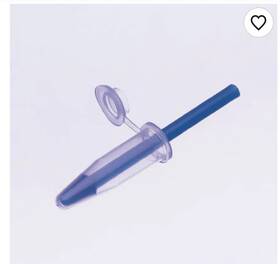
( Brand: Kimble ), ( Manufacturer Part Number: 749521-1590 ), ( Model: KIM-749521-1590 ), ( Part Type: Grinder ), ( Unit Type: Unit ), ( Unit Quantity: 70 ), ( Intended Use/discipline: Biological Laboratory )
Review KIMBLE Disposable Tissue Grinder Pestle Only 1.5ml Rnase Free Autocl
The **Kimble Kimble Chase 749521-1590 Disposable Tissue Grinder Pestle for 1.5 mL RNase-Autoclavable Micro Tubes** is a precision-engineered laboratory tool designed to efficiently homogenize small biological samples with minimal contamination risk. Crafted from high-quality, RNase-free, autoclavable polypropylene, this pestle is engineered to seamlessly fit into 1.5 mL microcentrifuge tubes, ensuring a secure and snug connection that prevents sample leakage during homogenization. Its ergonomic, ribbed design allows for controlled, repetitive grinding motions, making it ideal for lysing cells, grinding plant or animal tissues, or preparing DNA/RNA samples for downstream applications. The RNase-free construction ensures that enzymatic degradation of nucleic acids is minimized, preserving sample integrity for molecular biology workflows. Additionally, the autoclavable material allows for easy sterilization between uses, reducing cross-contamination and maintaining a sterile working environment. Whether used in molecular biology, biochemistry, or clinical diagnostics, this disposable pestle offers a reliable, single-use solution for efficient tissue homogenization without the need for cleaning or re-sterilization, making it both time-efficient and cost-effective for high-throughput laboratories.
**Pros and Cons of buying a Kimble 749521-1590 Disposable Tissue Grinder Pestle for 1.5 mL RNase-Autoclaved Tubes**
### **Pros**
1. **Disposable Design** Eliminates cross-contamination risks associated with reusable pestles, which is critical in molecular biology and RNA work where sterility is paramount.
2. **RNase-Autoclaved** The pestle is treated to inactivate RNases, reducing the risk of RNA degradation during sample homogenization, which is essential for RNA extraction and downstream applications.
3. **Compatibility with 1.5 mL Tubes** Fits standard 1.5 mL microcentrifuge tubes, making it versatile for common lab workflows.
4. **Ease of Use** Simple, one-handed operation reduces user fatigue during prolonged homogenization, which is useful for processing multiple samples.
5. **Cost-Effective for High-Volume Work** While individually priced, the disposable nature may reduce long-term costs associated with cleaning and sterilizing reusable pestles, especially in labs with high sample throughput.
6. **Reduced Risk of Carryover** Since each pestle is used once, there is no risk of residual sample contamination between experiments.
7. **Convenience for Sterile Work** Ideal for aseptic techniques, such as RNA extraction from sterile samples or clinical diagnostics where contamination must be minimized.
### **Cons**
1. **Higher Per-Unit Cost** Disposable items are generally more expensive than reusable alternatives, which can add up in labs with frequent use.
2. **Waste Generation** Contributes to laboratory waste, requiring proper disposal and potentially increasing costs associated with waste management.
3. **Limited Durability** Unlike metal or glass pestles, disposable ones may not withstand repeated use or harsh conditions (e.g., repeated autoclaving if reused improperly).
4. **Potential for Inconsistent Performance** Quality may vary between batches, though this is less likely with reputable suppliers like Kimble.
5. **Not Reusable** If accidentally contaminated or damaged, there is no option to clean or reuse, unlike durable pestles.
6. **Environmental Impact** Adds to single-use plastic waste, which may be a concern for labs prioritizing sustainability.
### **Conclusion**
The Kimble 749521-1590 disposable tissue grinder pestle is an excellent choice for labs prioritizing sterility, ease of use, and workflow efficiency, particularly in RNA-related applications where RNase contamination is a critical concern. Its disposable nature minimizes cross-contamination risks and simplifies workflows, making it ideal for high-throughput or sterile environments. However, the higher cost per unit and environmental impact may be drawbacks for labs with lower budgets or strong sustainability initiatives.
### **Recommendation**
**Buy this product if:**- Your lab frequently handles RNA samples or requires RNase-free conditions.
- You prioritize sterility and ease of use over cost savings.
- You process a moderate to high volume of samples where disposable pestles reduce contamination risks.
**Consider alternatives if:**- You work with a low sample volume and can justify the cost of reusable, autoclavable pestles (e.g., glass or metal).
- Your lab has strict sustainability policies and prefers reusable or recyclable tools.
- You frequently reuse pestles and can ensure proper cleaning and sterilization between uses.
For most molecular biology labs dealing with RNA, the convenience and safety benefits of this disposable pestle outweigh its drawbacks, making it a strong recommendation.
Details:
Reusable Pellet Pestle. length of pestle with tip, 7cm 2.75 in. Choose polypropylene or RNase-, Danes-, progeny-free material manufactured under M5.5 Class 10,000 clean room conditions. To be used with 1.5 ml micro tubes.
CTFE polymeric head with a stainless-steel shaft. Disposable Pellet Pestle. Kimble Kant's PELLET PESTLE Disposable Tissue Grinder Pestle Only for1.5mL Micro tube, RNase Free, .
part #: 7495211590 prices
- $60.00-$179.99
specifications plasticwarelabsuppy:
- brand: Kimble
- mpn: 749521-1590
- model: Kim-749521-1590
- part type: Grinder
- unit type: Unit
- unit quantity: 70
- intended use/discipline: Biological Laboratory
shipping plasticwarelabsuppy:
- type: Fixed
- service: UPS Ground Saver
- cost: $0.00
- class: Economy
- carrier: UPS
- transit: 5-12 Days
seller plasticwarelabsuppy:
- rating: 0.0%
- city: Rockwall, Texas
- # reviews: 72
general plasticwarelabsuppy:
- condition: New Open box
- Medical, Lab Dental Supplies > Glassware Plasticware > Other Medical Lab Glassware
payments plasticwarelabsuppy:
- credit card: Mastercard
- other
- wallet: Apple-pay
offer plasticwarelabsuppy:
- options: Ship-to-home
- started: May 8, 2026
- sold: 0
- quantity: 1
- best offers: True
- availability: In Stock
returns plasticwarelabsuppy:
- policy: No Returns
Kimble 749521-1590 Is Similar To:
- 23062 Kimble Covers Only Kimax Culture Petri Dish (36.1% similar) 21 covers only Kimble Max 100MM x 20MM culture Petra dish free ship Inc...(November 4th, 2018)
- 73500-650 Kimble Borosilicate Glass Disposable Culture Tubes (34.7% similar) Part: 73500-650 prices...(November 1st, 2018)
- 73660-16 Kimble Kim-kap Disposable 16mm (35.8% similar) A convenient, economical closure for use with the kim-Jap or other disposable culture tubes contents stay sterile without need cotton plugging can be removed and replaced contamination of reusable color: natural fits tube 16MM outer diameter 500 pack manufacturer: Kimble chase life science ...(May 9th, 2017)
- 73662-13 Kimble Disposable Culture Tube Caps Autoclavable Pc (41.7% similar) Case of 1000 polypropylene for plain-end culture tubes red 13MM...(October 23rd, 2018)
- 73750-16100 Kimble Chase Kimax Glass Disposable Culture Tubes (34.5% similar) Kimble Max glass tubes disposable culture 16 x 100MM...(September 22nd, 2018)
- 73770-16150 Kimble Disposable Culture Tubes Threaded Tops (35.5% similar) Brand new in unopened packages to a pack series items are produced with round bottom modular trays shrink-wrapped plastic film supplied without caps no marking spot manufactured from 51 expansion brisket glass conforming USP type I and ATM E438, i, class b requirements...(January 1st, 2019)
- 73802-33430 Kimble Lab Bottle Caps Kimax For Media Bottles (32.4% similar) Lab bottle caps Kimble-chase Max, for media bottles material liner: phenol. With PDF-faced 14B rubber liners. GPO thread: cs case of 144 caps. New, never opened...(August 7th, 2018)
- 821001-0002 Kimble Chase Kimax Ftfe Stopcock For Sep Funnel Or Other (31.6% similar) Used items have been cleaned well, and are in excellent shape can still be with no problems. For sale is a 4MM orange fife stopcock. This is a 4 piece item - everything included and still sealed in the original bag. Please look closely at the pictures to see exactly what you are getting. On the ...(September 19th, 2018)
- 885450-0023 Lot Kimble Kontes Duall Tissue Grinder Pestle Tube Glass (48.7% similar) Per the web:Udall tissue grinder combines both conical and cylindrical surfaces to effectively reduce produce a uniform capacity: 15ML pestle length x shaft. 006-INCHGRINDING efficiency is greatly improved when this tube used ground glass model ideal for connective tissue such as muscle, heart ...(February 15th, 2019)
- 885470-0000 Kimble Chase Tissue Grind Micro Box Of New (39.1% similar) The original box has considerable storage and shelf wear, but six individual packs inside have not been opened. F F9-3IT only comes with what is shown in the pictures. Kimble chase tissue grind micro box of 6 new this is a item...(January 26th, 2019)
- T3045-1 Kimble Borosilicate Glass Disposable Culture Tube Qty (35.9% similar) Shipped with USPS. Kimble brisket glass 6X50MM disposable culture tube qty 100...(February 18th, 2019)