BIO-RAD Polystyrene Optically Microcuvette 100-4-SIDED 150 300
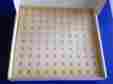
( Brand: Bio-rad ), ( Color: Clear ), ( Volume: Ml , 3.0 X 3.0 Mm ), ( Country/region Of Manufacture: United States )
Review BIO RAD 100-4-sided Package Clear Polystyrene Microcuvettes optically 150 Microcuvette 300
Introducing our 100-piece set of 4-sided polystyrene microcuvettes, specifically designed for optimal use with the Bio-Rad 300 microplate reader. These microcuvettes are crafted from high-quality polystyrene, ensuring durability and reliability in your lab experiments.
Each microcuvette boasts a four-sided design, providing ample space for your samples. This design also allows for easy handling and stacking, saving valuable lab space. The 150 L capacity of each cuvette is ideal for a wide range of applications, from absorbance and fluorescence measurements to kinetic assays.
The microcuvettes are optically clear, allowing for maximum light transmission and accurate readings. They are also designed to fit perfectly in the Bio-Rad 300 microplate reader, ensuring seamless integration into your lab workflow.
This set is a must-have for any lab working with absorbance or fluorescence measurements. Their durability, ease of use, and compatibility with the Bio-Rad 300 microplate reader make them an excellent investment for any researcher. Order your 100-piece set of 4-sided polystyrene microcuvettes today and elevate your lab experiments to the next level.
Pros of buying 100-4-sided polystyrene microcuvettes-optically 150 microcuvette bio-rad 300:1. Durability: Polystyrene is a strong and lightweight material, making the microcuvettes resistant to breakage during handling and storage.
2. Optical clarity: The microcuvettes have optically clear sides, which allows for easy visual observation and accurate readings of samples.
3. Compatibility: The microcuvettes are designed to fit in the Bio-Rad 300 microplate reader, ensuring compatibility and ease of use.
4. Cost-effective: Buying in bulk can be a cost-effective option, as the price per microcuvette can be lower than purchasing them individually.
Cons of buying 100-4-sided polystyrene microcuvettes-optically 150 microcuvette bio-rad 300:1. Limited reuse: Polystyrene is not ideal for reuse due to its susceptibility to degradation over time and potential contamination.
2. Environmental impact: Polystyrene is not biodegradable and contributes to waste in landfills and marine environments.
3. Potential leaching of chemicals: Polystyrene may leach chemicals, such as styrene, into samples, which could potentially affect experimental results.
Conclusion:While 100-4-sided polystyrene microcuvettes-optically 150 microcuvette bio-rad 300 offer several advantages, such as durability, optical clarity, and compatibility, there are also potential drawbacks, such as limited reuse, environmental impact, and potential contamination. It is important to weigh these factors and consider alternatives, such as reusable or biodegradable materials, when making a purchasing decision.
Recommendation:If the need for disposable microcuvettes is necessary, consider purchasing a smaller quantity to reduce waste and minimize environmental impact. Additionally, look into alternative materials that may be more environmentally friendly and reusable. Ultimately, the decision should be based on the specific needs and constraints of the research project.
Details:
Our best is our pictures. Bio Rad versifier microcuvette.
X What you see is what you get.
specifications plasticwarelabsuppy:
- brand: Bio-rad
- color: Clear
- volume: Ml , 3.0 X 3.0 Mm
- country/region of manufacture: United States
Ratings:
- Very good deal, fast shipping 09-30-16
- OK 09-20-16
- Excellent seller 09-22-16
- Great Job! Buy from this Guy! 09-23-16
General plasticwarelabsuppy:
- Business & Industrial > Healthcare, Lab & Life Science > Lab Supplies > Plasticware
- in stock: Yes
- condition: New other see details
Payments plasticwarelabsuppy:
- PayPal
Returns plasticwarelabsuppy:
- paid by: Buyer
- details: Please be advised that your shipping cost is a bit higher than the actual postage cost due to the fact that unfairly in my opinion changes 10% Final Value Fee on Shipping. Again please for RTF# before sending the item back. Any return item that doesn't have RTF# will be rejected. Thank you!
- time: 14 Days
- type: Money Back
- policy: returns accepted
Seller plasticwarelabsuppy:
- zipcode: 37027
- city: Brentwood, Tennessee
Offer plasticwarelabsuppy:
- # Sold: 0
- Started: October 1, 2016, 10:07 am
- # bids: 0
- quantity: 5
- best offer: true
Shipping plasticwarelabsuppy:
- handling: 1 days
- type: Calculated
- cost: $3.11
Bio-rad Is Similar To:
- 16103004 Bio-rad Pack-5 Mini Readyagarose Precast (37.1% similar) Review the pictures for included elements and condition of item...(March 9th, 2017)
- 1703934 Bio-rad Plastic Replacement Bio-ice Cooling (33.8% similar) No chips or cracks. Great used condition. Used plastic ware will show signs of wear sometimes including light scratches, discoloration, stickers tape, or exterior markings. Replacement bio-ice cooling unit for mini trans-blot cell 153 br. Thorough cleaning and sterilization are recommended before ...(February 14th, 2017)
- 223-9391 Bio-rad Qty 2000 Titertube (27% similar) Review the pictures for included elements and condition of item...(June 19th, 2017)
- 223-9955 Biorad Qty 100 Bio-rad (18% similar) Review the pictures for included elements and condition of item...(May 31st, 2017)
- 2239441 Bio-rad Qty 24 Iq (24.1% similar) Review the pictures for included elements and condition of item...(November 25th, 2017)
- 239441 Bio-rad Qty 20 Iq (26.1% similar) Review the pictures for included elements and condition of item...(April 8th, 2017)
- 343-0104 Bio-rad Unisep Minicent-30 Ultrafilters (31.7% similar) Alcohol, still copper, satori's Julio pharmacy column chromatography super loop micro vascular gem 3m couplet system uni link. Tomas Philadelphia. Hydrogen oxygen. Plc plc CPR pct thermonuclear Thermos cycle Maj research corning Pyrex wool fiber. Quantitative determination of elemental chlorine, ...(November 19th, 2017)
- 650201 Greiner Bio-one U-shape Clear Plastic Microplate New (38.7% similar) They come here from factories that have been closed or from other similar situations...(October 27th, 2016)
- 781801 Well Plate Greiner Bio-one Uv-star 384 Plates Clear Case 40 (35.7% similar) Review the pictures for included elements and condition of the item...(May 25th, 2016)
- 781948 Well Plate Greiner Bio-one 20 Plates Cellcoat Poly-d-lysine Culture Black Clear 384 Micro (29.9% similar) Review the pictures for included elements and condition of the item...(September 27th, 2016)
- 788096 Greiner Bio-one 384 Well Clear Lobase Microplate Med Binding 80 Case (33.7% similar) This is a brand new case of 80 assay plate 384 well by greener bio one. Maximum volume ideal volume surface medium binding...(March 22nd, 2016)