CHEMGLASS CG-1053-13 Vacuum Filtration Adapter Joint 230MM 24/40
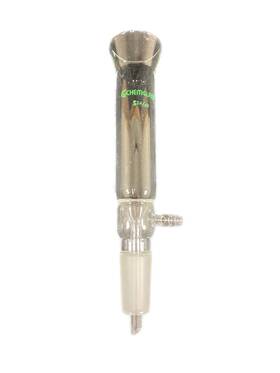
( Brand: Chemglass ), ( Manufacturer Part Number: CG-1053-13 ), ( Part Type: Vacuum Adapter Joint ), ( Intended Use/discipline: Biological Laboratory ), ( Country Of Origin: United States ), ( Unit Type: Unit ), ( Additional Information: Surplus Laboratory Consumable Supplies )
Review CHEMGLASS Vacuum Filtration Adapter 230mm Height 24/40 Joint #2
The **Chemglass CG-1053-13 Vacuum Filtration Adapter (230mm, 24/40 Joint)** is a precision-engineered laboratory accessory designed to streamline and enhance the efficiency of vacuum filtration processes in research, analytical, and industrial settings. Crafted from high-quality borosilicate glass (Type 1, Class A), this adapter combines durability with chemical resistance, ensuring reliable performance across a wide range of applications, from routine solvent extractions to delicate biochemical separations. Its **230mm diameter** provides ample filtration surface area, accommodating standard filter papers (e.g., 110mm or 125mm) with ease while minimizing clogging and maximizing throughput. The **24/40 standard taper joint** ensures a secure, leak-proof connection to compatible glassware, including Buchner funnels, filter flasks, and vacuum sources, making it fully compatible with standard laboratory setups.
This adapter is particularly well-suited for applications requiring high vacuum efficiency, such as the filtration of fine particulate matter, crystallization, or the preparation of samples for chromatography. Its smooth, polished interior reduces turbulence during filtration, promoting even flow and minimizing the risk of sample loss or contamination. The robust construction also allows for repeated use with proper cleaning, making it a cost-effective investment for laboratories with frequent filtration demands. Whether used in organic synthesis, environmental analysis, or pharmaceutical development, the CG-1053-13 delivers consistent performance while adhering to the highest standards of laboratory safety and precision. Its compatibility with standard vacuum systems further simplifies integration into existing workflows, ensuring seamless operation from filtration to collection.
**Pros and Cons of buying a Chemglass CG-1053-13 Vacuum Filtration Adapter (230mm, 24/40 Joint)**
### **Pros**
1. **Compatibility and Standardization** The 24/40 joint is a widely accepted standard in laboratory glassware, ensuring compatibility with most standard glassware, vacuum pumps, and filtration setups. This reduces the need for additional adapters or custom fittings.
2. **Durability and Quality** Chemglass is a reputable manufacturer known for producing high-quality, durable glassware designed for rigorous laboratory use. The CG-1053-13 is likely to withstand repeated use, vacuum pressure, and exposure to solvents or corrosive reagents without breaking easily.
3. **Versatility** The 230mm diameter provides a large filtration surface area, making it suitable for medium to large-scale filtrations. This is particularly useful for applications requiring efficient separation of solids from liquids, such as recrystallization, drying, or sample preparation in chemistry, biochemistry, or materials science.
4. **Easy to Clean and Maintain** Glass components are generally easier to clean than plastic or metal alternatives, especially when dealing with stubborn residues or organic solvents. The smooth surface of borosilicate glass also minimizes adsorption of compounds, reducing contamination risks.
5. **Safety** Glassware is chemically inert and does not leach contaminants into samples, which is critical for analytical or high-purity applications. Additionally, borosilicate glass (common in Chemglass products) has a lower thermal expansion coefficient, reducing the risk of thermal shock during heating or cooling.
6. **Cost-Effective for Long-Term Use** While the initial cost may be higher than some disposable alternatives, the durability and reusability of glassware make it cost-effective over time, especially in academic or industrial settings where large volumes of filtrations are performed.
7. **Compatibility with Vacuum Systems** The adapter is designed to work seamlessly with standard vacuum setups, including water aspirators or mechanical pumps, making it a straightforward addition to existing laboratory infrastructure.
---
### **Cons**
1. **Fragility** Glassware is inherently brittle and can shatter if dropped or subjected to sudden impacts. This poses a risk of injury and potential contamination if glass fragments enter samples or equipment.
2. **Weight and Bulk** Glass adapters are heavier than plastic or metal alternatives, which can make handling cumbersome, especially during frequent setup or transfer between locations.
3. **Limited Temperature Range** While borosilicate glass can withstand moderate heating, it is not suitable for extreme temperatures (e.g., high-temperature reactions or autoclaving). Overheating can weaken the glass and lead to failure.
4. **Cleaning Time** Thorough cleaning of glassware, particularly after handling sticky or viscous samples, can be time-consuming. Residues may require soaking, scrubbing, or specialized cleaning agents, adding to the workload.
5. **Cost Upfront** Compared to disposable plastic filtration systems, the initial purchase price of a high-quality glass adapter may be higher. However, this is often offset by long-term durability.
6. **Potential for Contamination** If not cleaned properly, glassware can harbor residues from previous experiments, leading to cross-contamination between samples. This is particularly critical in sensitive applications like pharmaceutical or analytical chemistry.
7. **Maintenance of Joints** Over time, the 24/40 joint may develop minor scratches or wear, which could affect the seal and vacuum efficiency. Regular inspection and maintenance are required to ensure optimal performance.
8. **Not Ideal for High-Pressure Applications** While designed for vacuum filtration, the adapter is not intended for high-pressure operations, which could cause the glass to fail.
---
### **Conclusion**
The **Chemglass CG-1053-13 vacuum filtration adapter** is a robust, versatile, and high-quality tool for medium to large-scale laboratory filtrations. Its compatibility with standard glassware, durability, and chemical inertness make it an excellent choice for most academic and industrial laboratories. However, its fragility, weight, and maintenance requirements necessitate careful handling and proper storage.
For laboratories prioritizing **reliability, reusability, and compatibility with a wide range of glassware**, this adapter is a strong investment. It is particularly well-suited for:
- Recrystallization and drying processes.
- Preparative chemistry or materials science applications.
- Settings where contamination control and sample purity are critical.
For users working with **small-scale, disposable, or high-throughput applications**, alternatives like plastic filtration systems or smaller glass adapters might be more practical. Additionally, if the lab frequently handles **extremely fragile or high-value samples**, additional precautions (e.g., protective cases, careful handling protocols) should be implemented.
---
### **Recommendation**
**Buy the Chemglass CG-1053-13 if:**- You require a durable, reusable, and standardized filtration adapter for medium to large-scale work.
- Your lab already uses 24/40 joint glassware, ensuring seamless integration.
- You prioritize chemical inertness and sample purity over convenience.
- You are willing to invest in long-term quality rather than disposable alternatives.
**Consider alternatives if:**- You frequently work with small volumes or disposable systems.
- Your lab handles extremely fragile samples that cannot tolerate glassware.
- Budget constraints make the upfront cost prohibitive, and you can justify using lower-cost alternatives for your specific needs.
For most standard laboratory settings, the **CG-1053-13 is a reliable and practical choice**, provided proper care is taken to handle and maintain it.
Details:
No cracks throughout. Top joint edge chipped and bottom drip tip. See pictures for details. GSR veers 1730 GS 9.9.4 1730 Used item in good condition.
part #: cg105313 prices
- $29.99-$69.99
specifications plasticwarelabsuppy:
- brand: Chemglass
- mpn: Cg-1053-13
- part type: Vacuum Adapter Joint
- intended use/discipline: Biological Laboratory
- country of origin: United States
- unit type: Unit
- additional information: Surplus Laboratory Consumable Supplies
general plasticwarelabsuppy:
- Medical, Lab Dental Supplies > Glassware Plasticware > Other Medical Lab Glassware
- condition: Used
payments plasticwarelabsuppy:
- wallet: Paypal
- other
- credit card: Mastercard
returns plasticwarelabsuppy:
- paid by: Seller
- method: Money back
- time: 30 Days
- policy: Returns Accepted
seller plasticwarelabsuppy:
- # reviews: 7608
- city: Cotati, California
- rating: 99.9%
offer plasticwarelabsuppy:
- options: Ship-to-home
- quantity: 1
- sold: 0
- started: March 24, 2026
- availability: In Stock
shipping plasticwarelabsuppy:
- transit: 3-8 Days
- service: USPS First Class, FedEx 2Day, FedEx Standard Overnight
- class: Standard, Expedited, One-day
- type: Fixed
- carrier: USPS, FedEx
- cost: $0.00
Chemglass CG-1053-13 Is Similar To:
- Cg-1042-01 Chemglass Thermometer Inlet Adapter With Inner Joint (45.3% similar) Between 4 and 7MM. 24 40 inner joint 7 chem-thread 80MM height Chemglass cg thermometer inlet adapter with joint. Adapter has a 7 or 15 chem-thread at the top for vacuum tight seal of plain stem Thermos-meters any other tube having an. Supplied complete with a Ceylon compression cap and Vito o-...(September 9th, 2018)
- Cg-1049-j-30 Chemglass Series Vacuum Adapter Outer To Gpi Thread Ptfe Stopcock (39.5% similar) Please for more details the unique design of long stem filter funnel and vacuum adapter makes it unnecessary to clean after each use. Hose connection is 10MM OD at the largest serration. The 2MM PDF stopcock between outer joint and standard taper inner permits control of vacuum source...(January 17th, 2019)
- Cg-1209-a-26 Chemglass Series Dewar Type Condenser Joint Mm (31.6% similar) Dewar type condenser...(January 15th, 2019)
- Cg-1215-a-12 Chemglass Glass Reflux Condenser Jacket Length Joint (38.8% similar) This will include powering on the unit and checking all major functions. We check and respond to our messages often. Packaging opened manufacturer. Quality all merchandise is tested prior to listing unless it sealed in the factory package. Does not appear to have been used. This helps our buyers ...(October 27th, 2018)
- Cg-1239-02 Chemglass Short Path Distilling Head Thermometer Joint (36% similar) What you see in photos is will receive...(November 2nd, 2018)
- Cg-1317-20 Chemglass Series Steam Duct Vapor Tube Mm Joint (36.4% similar) 1142378CHEMOB133. Q: what is the shipping cost. Grab the best deal. Please for details. Q: is local pick-up available. Protectorates. The offered shipping cost in listing applies only to 48 states...(August 11th, 2018)
- Cg-1318-25 Chemglass New Plastic Rotary Evaporator Vial Adapter Connector Thread (39% similar) ...(April 16th, 2018)
- Cg-2071-01 Chemglass Glass Connecting Adapter Top Bottom Enlarging (40% similar) Great used condition. Used items will show signs of wear sometimes including light scratches, discoloration, stickers tape, or exterior markings...(December 8th, 2018)
- Cg-2077-g-02 Chemglass 29-42 Joint Ptfe (33.6% similar) Thorough cleaning and sterilization are recommended before use. Multiple available. Used glassware will show signs of wear sometimes including light scratches, discoloration, stickers tape, or exterior markings. Brand: Chemglass part: CG-2077-G-02 joint: 29 42 inner material: PDF includes: peek ...(December 1st, 2017)
- Cg-2077-g-04 Chemglass 45-50 Joint Ptfe (33.6% similar) In good condition otherwise. Thorough cleaning and sterilization are recommended before use. Brand: Chemglass part: CG-2077-G-04 joint: 45 50 inner material: PDF includes: peek compression spring sleeve - for use with 10MM shafts not included used yellow discoloration on the joint, some residue and ...(December 1st, 2017)
- Cg-3003-02 60725 Chemglass Safe-lab 14-20 Joint Solid (34.6% similar) Brand: Chemglass, safe-lab part: cg, 60725 joint: 14 20 material: solid PDF Teflon - autoclave safe at 121 c f new old stock used glassware will show signs of wear sometimes including residue, light scratches, stickers tape or exterior markings...(March 6th, 2017)